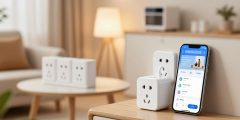
Did you know the smart home market is set to hit $146 billion by 2025? This huge growth shows a big move towards automation and connected living. Making your home smart can make life easier, safer, and more energy-efficient.

With smart home devices and home automation ideas, you can make a space that fits your life perfectly. Whether you love tech or are just starting, adding smart home technology is easy and won’t break the bank.
Key Takeaways
- Discover the benefits of smart home automation
- Learn how to choose the right smart home devices
- Explore home automation ideas for a connected living space
- Understand how to implement smart home technology on a budget
- Find out how smart home automation can enhance home security
Understanding Smart Home Technology
Stepping into the world of modern home automation is exciting. It’s key to know what makes a home truly “smart.” Smart home tech combines different devices and systems. They can be controlled remotely or automated to make life better.
What Makes a Home “Smart”?
A home is “smart” when it has devices and systems you can control from afar. You can use smartphones, tablets, or voice assistants. This lets you change lighting, temperature, security, and entertainment from anywhere. It makes life easier and more efficient.

Benefits of Smart Home Automation
Smart home automation brings many benefits. It helps save energy, boosts security, and makes life more comfortable. It also gives insights into energy use and home maintenance.
Common Concerns and Misconceptions
Some people worry about the complexity, cost, and privacy of smart home tech. But, many devices are easy to use and affordable. Also, top brands have strong security to protect your data.
Learning about smart home tech helps homeowners make smart choices. They can add simple smart home upgrades that improve their homes for the long run.
Getting Started: Essential Smart Home Devices
Starting your smart home journey means picking the right devices. It’s key to know the must-haves for a seamless smart home. These devices make your home more convenient, efficient, and fun.
Smart Speakers and Voice Assistants
Smart speakers and voice assistants are the heart of a smart home. They let you control devices with your voice. This makes managing your home’s mood, entertainment, and security easy.
Amazon Alexa Devices
Amazon Alexa is a top voice assistant with many compatible devices. From the Echo Dot to the Echo Show, Alexa can control smart products, play music, and give info on demand.
Google Home Products
Google Home products, like Google Home Mini and Google Home Max, offer similar features. They also have Google’s advanced AI. They work well with Google services and many smart devices.
Apple HomeKit Ecosystem
Apple fans will love the HomeKit ecosystem. It’s secure and lets you control devices with Siri. It makes sure your devices work together well, improving your smart home experience.

Smart Lighting Solutions
Smart lighting can change your home’s feel and save energy. Brands like Philips Hue and LIFX have smart bulbs. You can control them with apps or voice assistants.
Smart Plugs and Switches
Smart plugs and switches make old appliances smart. They can be controlled from anywhere. Some even track energy use, helping you cut down on bills.
| Device Type | Key Features | Compatibility |
|---|---|---|
| Smart Speakers | Voice control, smart home integration | Amazon Alexa, Google Home, Apple HomeKit |
| Smart Lighting | Color changing, dimming, scheduling | Philips Hue, LIFX, Smart bulbs |
| Smart Plugs/Switches | Remote control, energy monitoring | TP-Link, Belkin, various brands |
Adding these key smart home devices makes your home better. Whether you’re starting or expanding, there’s a lot to choose from. You can make your home more convenient, efficient, and enjoyable.
Building Your Smart Home Hub
To have a fully integrated smart home, you need a central hub. This hub connects all your devices, letting you control them from one place.
Choosing the Right Hub Platform
Choosing the right hub platform is key for a smooth smart home experience. Options like Samsung SmartThings, Wink Hub, and Apple HomeKit are popular. Each has its own strengths, so pick one that fits your devices and needs.
Setting Up Your Central Control System
After picking your hub, set it up by connecting your devices. This means downloading the app, creating an account, and following the app’s instructions to pair your devices.
Wireless Connectivity Options
Knowing about wireless options is crucial for a strong smart home. The main ones are:
- Wi-Fi Based Systems
- Zigbee and Z-Wave Technologies
- Bluetooth Connectivity
Wi-Fi Based Systems
Wi-Fi is popular for its fast data transfer. But, it uses more power and might not be best for low-power devices.
Zigbee and Z-Wave Technologies
Zigbee and Z-Wave are great for home automation. They use little power and offer reliable mesh networking.
Bluetooth Connectivity
Bluetooth is common for device-to-device communication. Bluetooth Low Energy (BLE) is good for low-power needs.
Comparison of Wireless Technologies
| Technology | Power Consumption | Data Transfer Rate | Range |
|---|---|---|---|
| Wi-Fi | High | High | Medium to High |
| Zigbee | Low | Low | Medium |
| Z-Wave | Low | Low | Medium |
| Bluetooth | Low (BLE) | Medium | Short to Medium |
As Forbes notes, “The smart home market is expected to grow. This is thanks to AI and IoT advancements.”
“The future of smart homes is in learning and adapting to our habits. This makes our lives more convenient and efficient.”

Easy Ways to Make Your Home Smart on a Budget
Creating a smart home doesn’t have to cost a lot. With the right devices and planning, you can make your home smart and comfortable. It’s all about finding affordable options and using them wisely.
Affordable Smart Home Devices Under $50
There are many smart home devices that won’t break the bank. Some examples include:
- Smart plugs that can turn any appliance into a smart device
- Smart light bulbs that can be controlled via an app
- Smart door sensors that alert you to potential security breaches
These devices are not only affordable but also easy to install and use.

DIY Smart Home Projects
DIY smart home projects are a fun and cost-effective way to make your home smarter. You can start with simple projects like:
- Building your own smart home automation hub using a Raspberry Pi
- Creating custom smart lighting solutions using Arduino
These projects save you money and give you a sense of accomplishment.
Gradual Implementation Strategies
Implementing smart home technology gradually is a smart move. Start with the most essential devices and add more as needed. This way, you can:
- Spread out the cost over time
- Assess the effectiveness of each device before adding more
- Avoid feeling overwhelmed by too many new devices at once
Cost-Benefit Analysis of Smart Home Investments
Smart home devices may seem expensive at first, but they can save you money in the long run. For example, smart thermostats can lower your energy bills. A cost-benefit analysis can show you the value of different smart home devices.
By using these strategies and devices, you can create a smart home that’s both efficient and budget-friendly.
Smart Home Security Solutions
Smart home security is changing how we keep our homes and families safe. Thanks to new tech, we have many security options. These options give us peace of mind and make our homes safer.
Smart Doorbells and Cameras
Smart doorbells and cameras are key in smart home security. They let you see, hear, and talk to visitors, even if you’re not home. Brands like Ring and Nest have features like clear video, motion alerts, and night vision.
- Video Recording: Capture clear video evidence in case of an incident.
- Motion Alerts: Receive notifications when someone approaches your door.
- Two-Way Audio: Communicate with visitors remotely.
Smart Locks and Access Control
Smart locks add more security by letting you control who enters your home. You can give or take away access from anywhere. This keeps your home safe, even when you’re not there.
Key Features include:
- Biometric authentication (e.g., fingerprint or facial recognition)
- Keyless entry
- Remote monitoring and control

Security System Integration
Connecting different smart security devices into one system makes your home safer. This integration helps respond to threats better. It’s a more effective way to secure your home.
Remote Monitoring Capabilities
Remote monitoring lets you watch your home from anywhere. It’s great for those who travel a lot or have second homes.
Benefits include:
- Real-time updates on your home’s security status
- The ability to respond quickly to alerts and notifications
- Enhanced peace of mind while away from home
Using these smart home security solutions can greatly improve your home’s safety. Whether it’s smart doorbells, locks, or integrated systems, knowing your home is safe is priceless.
Enhancing Home Comfort with Smart Devices
Turning your home into a cozy oasis is easier than ever with smart devices. These solutions make life more convenient and improve your living experience.
Smart Thermostats and Climate Control
Smart thermostats change the game for keeping your home at the perfect temperature. Devices like the Nest Learning Thermostat or Ecobee SmartThermostat let you control the climate from anywhere. They learn your habits to save energy.
Smart Blinds and Curtains
Smart blinds and curtains add comfort by controlling natural light. Brands like Lutron and Somfy offer automated solutions. They adjust based on time or sunlight, improving your home’s feel and saving energy.

Air Quality Monitors and Purifiers
Good air quality is key for a comfortable home. Air quality monitors from Awair or Foobot track your home’s air. Pairing them with air purifiers like the Dyson Pure Cool improves your air quality.
Energy Efficiency Benefits
Smart devices also boost energy efficiency. They optimize heating, cooling, and lighting. This reduces energy use, lowers bills, and helps the environment.
Integrating these smart devices makes your home more comfortable and sustainable. It adapts to your needs, enhancing your life quality.
Kitchen and Appliance Automation
Kitchen automation makes cooking more efficient, safe, and fun. Smart appliances and devices turn kitchens into high-tech spaces.
Smart Refrigerators and Cooking Appliances
Smart refrigerators from LG and Samsung have cool features like internal cameras. You can see what’s inside your fridge from anywhere. Smart ovens and slow cookers can be controlled with your phone, making cooking easier.

Voice-Controlled Kitchen Assistants
Voice assistants like Amazon Echo and Google Home let you control your kitchen with your voice. They play recipes and set timers, making cooking better.
Smart Coffee Makers and Small Appliances
Smart coffee makers, like the Smarter Coffee Machine, can brew coffee when you want it to. Other small appliances, like smart toasters, make cooking and preparing meals easier.
Water Leak Detectors and Safety Features
Water leak detectors warn you of leaks under sinks or near appliances. They help prevent water damage. Some smart appliances also have safety features, like automatic shut-off in case of a problem.
| Smart Appliance | Key Feature | Benefit |
|---|---|---|
| Smart Refrigerator | Internal Camera | Check contents remotely |
| Smart Oven | Smartphone App Control | Convenient meal prep |
| Voice-Controlled Assistant | Hands-Free Control | Enhanced cooking experience |
Entertainment and Media Control
Smart home devices are changing how we enjoy entertainment at home. They offer new ways to make your viewing and listening better. Let’s look at the latest in smart entertainment tech.
Smart TVs and Streaming Devices
Smart TVs and streaming devices have changed home entertainment. Brands like Samsung and Roku work well with other smart devices. They give you access to lots of content. Look for features like 4K resolution, HDR, and voice control when picking a smart TV.
Multi-Room Audio Systems
Multi-room audio systems let you listen to music everywhere in your home. Systems from Sonos and Bose are wireless and easy to control with apps. They make sure your music sounds the same in every room.
Voice-Controlled Entertainment
Voice-controlled entertainment is getting more popular. With Alexa or Google Assistant, you can control your TV and sound system with your voice. It makes enjoying entertainment easier and more fun.
Smart Lighting for Media Experiences
Smart lighting can make your media experiences better. Adjusting the lights can enhance your movie nights or TV shows. Brands like Philips Hue offer smart lighting that works with your entertainment system.
Here’s a comparison of popular smart TV brands:
| Brand | 4K Resolution | HDR Support | Voice Control |
|---|---|---|---|
| Samsung | Yes | Yes | Yes (Bixby) |
| LG | Yes | Yes | Yes (Alexa, Google Assistant) |
| Sony | Yes | Yes | Yes (Google Assistant) |

Smart Home Solutions for Different Needs
Smart home technology is more than just making life easier. It’s about making your home fit everyone’s needs. Whether you want to make your home more family-friendly, improve accessibility, keep an eye on your pets, or set up a smart office, there are many options.
Family-Friendly Smart Home Features
Smart home devices can change the game for families. Voice assistants like Amazon Alexa or Google Assistant can help with homework, play games, or control the home. Smart lighting can set the mood for movie nights or reading.
Smart security systems also offer peace of mind. They keep an eye on your home while you’re away.
Accessibility Solutions for Elderly and Disabled
Smart home tech can greatly improve life for those with disabilities or elderly homeowners. Voice-controlled devices help those with mobility issues. Smart home automation manages lighting, temperature, and security.
Devices like smart walk-in tubs or emergency response systems can be lifesavers.
Pet Monitoring and Care Devices
Pet owners can also enjoy smart home tech. Pet cameras let owners check on their pets from anywhere. Automated feeders and smart litter boxes make pet care easier.
Some devices even interact with pets, keeping them happy and comfortable when you’re away.
Work-from-Home Smart Office Setup
With more people working from home, a smart office setup is key. Smart lighting and temperature control boost productivity. Noise-cancelling headphones and smart speakers reduce distractions.
A well-designed smart home office can make working from home much better.
| Smart Home Solution | Benefit | Target User |
|---|---|---|
| Voice-controlled assistants | Enhanced convenience and control | Families, Elderly, Disabled |
| Smart security systems | Increased safety and peace of mind | Families, Elderly |
| Pet monitoring devices | Remote pet care and interaction | Pet Owners |
| Smart office equipment | Improved productivity and comfort | Remote Workers |
By adding these smart home solutions, you can make your home more convenient and tailored to your needs. This can greatly improve your quality of life.
Conclusion: The Future of Smart Home Living
The future of smart homes is changing fast. New tech makes it easier to connect our homes. This guide has shown how smart homes offer many benefits.
These benefits include more comfort, convenience, and energy savings. Plus, they make our homes safer. Voice assistants and smart hubs make controlling our homes simple.
Smart devices like lights and thermostats work together smoothly. This makes our lives easier. As tech keeps improving, we’ll see even more cool smart home ideas.
By using the latest smart home tech, we can make our homes better. They’ll be more comfy, easy to use, and save energy. Keep up with new smart home trends to stay ahead.