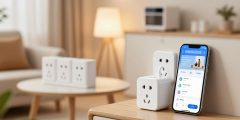
Did you know most US homes waste 30% of their power every year? This is because we don’t see our daily habits clearly. With smart energy monitoring, homes can find hidden costs and stop wasting money on idle electronics.
Finding residential energy monitoring solutions is a big step for a better home. Using energy monitoring tools gives you the data you need. These systems create clarity for every member of the house.
Energy usage monitoring software shows which gadgets drain power. You save money and help the earth. These digital programs make tracking your efficiency effortless.

Taking control of electrical consumption is not a chore. Modern technology makes tracking watts very simple. Real-time feedback helps you make better choices every day.
Using these devices creates a clear path toward significant savings. Lowering your monthly bills has never been easier. Here are some great tips for your house.
Key Takeaways
- Understand your daily power patterns.
- Select the best tools for your home.
- Reduce monthly utility costs quickly.
- Lower your impact on the environment.
- Track high-drain appliances in real-time.
- Improve long-term household efficiency.
Why Energy Monitoring Matters in 2024
Energy monitoring is key in 2024 due to high energy costs and environmental worries. It helps households and businesses save on bills and protect the planet. Using energy management solutions can cut down on utility costs and support a greener future.
Energy monitoring is vital for spotting and fixing energy waste. It lets people and companies see where they can use less energy. This way, they can save resources and use energy better.

For businesses, tracking commercial energy usage is crucial. It helps them control energy costs and improve profits. It also meets environmental rules and boosts their social responsibility.
The main aim of energy monitoring is to reduce utility bills and support green practices. With the right tools and strategies, homes and businesses can save money and help the environment.
Understanding Your Energy Consumption Patterns
Getting to know your energy usage is key to saving money. By figuring out when and how you use energy, you can spot ways to cut down. This helps lower your bills.
Peak Usage Times and Their Impact on Bills
Peak usage times are when you use the most energy. These are usually mornings and evenings when everyone is home. Knowing these times helps you use energy better.
For example, if you use the most energy from 6 pm to 9 pm, you can do things differently. Try moving non-essential tasks to other times. Or use energy usage tracking devices to keep an eye on your energy use.

Common Energy Drains in American Homes
Many American homes waste energy in several ways. This includes old, inefficient appliances and poor insulation. Also, devices like TVs and computers use energy even when turned off.
To fight these energy wasters, try these tips:
- Get new, energy-saving appliances.
- Make your home better insulated to use less heat and air conditioning.
- Use power strips to stop devices from using energy when not in use.
Here’s a quick look at common energy wasters and how you can save:
| Energy Drain | Average Consumption | Potential Savings |
|---|---|---|
| Inefficient Appliances | 30% of total energy | Up to 20% reduction |
| Poor Insulation | 20% of total energy | Up to 15% reduction |
| Standby Power Consumption | 5% of total energy | Up to 5% reduction |
By tackling these energy wasters, you can use less energy and save money. Using energy consumption monitoring tools helps you see how you use energy. This way, you can monitor electricity usage better.
How to Monitor Energy Usage: Essential Methods
There are many ways to track energy usage, each with its own benefits. Knowing these methods helps you pick the right one for your needs.
Direct Utility Bill Analysis
One easy way to keep an eye on energy use is by looking at your utility bills. Your bills show how much energy you use each month. By checking these bills over time, you can spot trends and cut down on energy use.
Key steps in utility bill analysis include:
- Tracking your energy usage over time to identify patterns or spikes
- Comparing your usage to previous years or similar periods
- Understanding the different charges on your bill, such as peak usage rates
Smart Meter Integration
Smart meters measure your energy use in real-time. They give you detailed info on your energy use, which you can see online or on a mobile app. Adding a smart meter to your system gives you immediate feedback on your energy use.
Some benefits of smart meter integration include:
- Real-time data on your energy usage
- Detailed insights into your consumption patterns
- The ability to identify areas for energy savings
Dedicated Monitoring Devices
Dedicated energy monitoring devices give a closer look at your energy use than bills or smart meters. You can put these devices in your home to see how much energy each appliance or circuit uses.
Popular dedicated monitoring devices include:
- Sense Energy Monitor
- Emporia Vue Smart Home Energy Monitor
- Aeotec Home Energy Meter
These devices often come with apps or software that give you detailed analytics and insights into your energy use.

By using one or more of these methods, you can really understand your energy use. This knowledge helps you make smart choices to use energy more efficiently.
Smart Meters: Your First Line of Defense
Smart meters are changing how we watch and manage our energy use. They give us real-time data on how much energy we use. This helps us make smart choices about our energy habits.
How Smart Meters Work
Smart meters are advanced tools that track how much electricity, gas, or water we use. They send this info to the utility company, so we don’t have to read it ourselves.
Key features of smart meters include:
- Real-time data transmission
- Accurate consumption tracking
- Remote monitoring capabilities
Accessing Your Smart Meter Data
Smart meters give us detailed info on our energy use. We can see this data through a special portal or app from our utility company.
For example, many apps let us see our daily, weekly, or monthly energy use. This helps us spot where we can save energy and money.
“The integration of smart meters into our energy infrastructure is a crucial step towards a more sustainable future.” – Energy Industry Expert
Here’s a comparison of traditional meters versus smart meters:
| Feature | Traditional Meters | Smart Meters |
|---|---|---|
| Data Transmission | Manual Readings | Automatic, Real-Time |
| Accuracy | Prone to Human Error | Highly Accurate |
| Remote Monitoring | No | Yes |
Seeing our energy use in a visual way helps us understand and care more. Here’s what a smart meter’s data display might look like:

By using smart meter data, we can start to use less energy. We can change our daily habits or buy more energy-efficient stuff. The insights from smart meters are really helpful.
Top Energy Monitoring Devices for Homeowners
Energy monitoring devices are key for homeowners wanting to cut down on bills and reduce their carbon footprint. They give detailed insights into how much energy is used. This helps homeowners spot where energy is wasted and make better choices about how to use it.
Sense Energy Monitor
The Sense Energy Monitor is a top pick for homeowners. It has advanced features and is easy to use. It can spot individual appliances and show how much energy they use in real-time. Plus, it works with many smart home systems, making it a great choice.
Emporia Vue Smart Home Energy Monitor
The Emporia Vue is also highly praised for its energy tracking. It can watch up to 16 circuits and share detailed energy data through its app. It’s easy to set up and works with lots of smart home systems.
Aeotec Home Energy Meter
The Aeotec Home Energy Meter is a Z-Wave device that accurately tracks energy use. It connects with many smart home systems for easy control and monitoring. It’s small and simple to install.
Neurio Home Energy Monitor
The Neurio Home Energy Monitor tracks energy use for the whole house and can spot which appliances are using it. It gives real-time data and alerts for odd energy use. It’s designed to be easy to use and works with popular smart home systems.
When picking an energy monitoring device, think about what matters most to you. Look at compatibility, how easy it is to use, and how detailed the data is. Here’s a quick look at the devices we talked about:
| Device | Key Features | Compatibility | Price |
|---|---|---|---|
| Sense Energy Monitor | Real-time data, appliance detection | Various smart home systems | $299 |
| Emporia Vue | Monitors up to 16 circuits, mobile app | Multiple smart home platforms | $199 |
| Aeotec Home Energy Meter | Z-Wave enabled, compact design | Z-Wave compatible systems | $49 |
| Neurio Home Energy Monitor | Whole-home monitoring, appliance detection | Popular smart home systems | $249 |

By knowing what each device offers, homeowners can choose the best one for their needs.
Energy Monitoring Apps and Software Solutions
Technology has brought many energy monitoring apps and software to our homes. These tools give us real-time views of how much energy we use. They help us see our energy habits and make smart choices to cut down on bills.
Utility Company Mobile Apps
Many utility companies have mobile apps for tracking energy use. These apps show daily, weekly, and monthly energy use. They help us spot trends and find ways to use less energy.
- Real-time monitoring: Track your energy usage as it happens.
- Historical data analysis: Compare your current usage with past consumption.
- Personalized recommendations: Receive tips on how to reduce your energy consumption.
Third-Party Energy Tracking Applications
Third-party apps offer more features than utility company apps. They can connect with smart home devices for a full view of energy use.
Some well-known third-party apps are:
- EnergyHub
- GridPoint
- WattTime
Home Energy Management Platforms
Home energy management platforms do more than just track energy. They work with smart devices to optimize energy use. They also offer automation features.
Key features include:
- Smart thermostat control
- Lighting system automation
- Appliance monitoring and control

Using these apps and software, homeowners can understand their energy use better. They can then make changes to use less energy and save on bills.
Commercial Energy Usage Tracking Systems
Commercial energy usage tracking systems are key for businesses wanting to cut down on energy use and lower bills. They give detailed insights into how much energy is being used. This helps businesses spot where they can save energy and make changes.
Managing energy well is important for businesses. It helps save money and is good for the planet. With advanced tracking systems, businesses can understand their energy use better. This helps them make smart choices to use less energy.
Enterprise Energy Management Software
Enterprise energy management software is a top-notch tool for big commercial places. It tracks, analyzes, and improves energy use. It gives real-time data, so businesses can see how much energy they use, spot trends, and find where they can save.
Key Features of Enterprise Energy Management Software:
- Real-time energy monitoring
- Detailed analytics and reporting
- Customizable dashboards
- Alert systems for unusual consumption patterns
- Integration with existing building management systems
Building Management Systems Integration
Integrating energy management software with Building Management Systems (BMS) is vital. It gives a complete view of energy use and building operations. This integration helps improve systems like HVAC, lighting, and security. It makes buildings more energy-efficient and saves money.
The table below shows the benefits of linking energy management software with BMS:
| Benefits | Description | Impact |
|---|---|---|
| Enhanced Energy Efficiency | Optimized energy consumption through integrated system control | Reduced energy waste and lower utility bills |
| Improved Operational Insights | Comprehensive data on building operations and energy usage | Informed decision-making for facility managers |
| Increased System Reliability | Proactive maintenance and issue detection through integrated monitoring | Reduced downtime and extended equipment lifespan |

By using commercial energy tracking systems and linking them with BMS, businesses can greatly improve their energy use. This leads to cost savings and helps the environment.
Real-Time Energy Monitoring Advantages
Real-time energy monitoring makes it easier to save energy. It lets people see how much energy they use right away. This helps them make changes to use less and save money.
Immediate Feedback and Behavioral Changes
Real-time energy monitoring gives instant feedback. People can see how much energy they’re using at any time. This helps them make smart choices about energy use.
Studies show that getting real-time feedback can cut energy use by 5-15% in homes.
Alert Systems for Unusual Consumption
These systems also send alerts for odd energy use. They’re great for spotting problems like broken appliances or energy leaks.
For example, if a system notices a big energy spike when no one’s home, it alerts the owner. This lets them check what’s going on.
| Feature | Benefit | Impact |
|---|---|---|
| Immediate Feedback | Enables informed decisions about energy usage | Reduces energy waste |
| Alert Systems | Identifies unusual consumption patterns | Helps in addressing energy drains |
| Real-Time Data | Provides current energy usage information | Facilitates behavioral changes |
Analyzing and Interpreting Your Energy Data
To cut down on energy waste, you need to understand your energy use. By looking at your data, you can spot where you’re losing energy. This helps you make smart choices to use less.
Reading Energy Usage Dashboards
Energy dashboards show your energy use in a clear way. They let you see how much energy you’re using at any time. This makes it easy to spot changes in your energy use.
Key Features to Look for in an Energy Usage Dashboard:
- Real-time data display
- Historical data comparison
- Breakdown of energy usage by appliance or circuit
- Alerts for unusual consumption patterns
Identifying Consumption Trends
Understanding your energy use patterns is key. By spotting trends, like when you use the most energy, you can find ways to use less. This helps you save energy and money.
Steps to Identify Consumption Trends:
- Look at your energy data over time to find patterns.
- Compare your energy use on different days and times.
- See how weather affects your energy use.
Benchmarking Against Similar Households
Comparing your energy use to others can be very helpful. It shows if you’re using more or less energy than others. This helps you find ways to use even less.
Factors to Consider When Benchmarking:
- Household size and composition
- Home size and age
- Appliance efficiency and usage
- Local climate and weather patterns
By following these steps and using your energy data, you can learn a lot. You’ll understand your energy use better. This knowledge helps you make changes to use less energy.
Reducing Utility Bills Through Strategic Monitoring
Homeowners can cut down on utility bills by monitoring energy use. This means understanding and improving how energy is used at home.
Time-of-Use Rate Optimization
Optimizing energy use with Time-of-Use (TOU) rates is a smart move. TOU rates change based on the time of day, with peak hours costing more. Moving non-essential tasks to off-peak hours can save a lot of money.
For instance, using appliances like dishwashers and washing machines when it’s cheaper can save a lot. Smart home energy management systems can make this easier, scheduling tasks for the best rates.
| Time of Day | TOU Rate | Recommended Actions |
|---|---|---|
| Peak Hours (4 pm – 9 pm) | Higher Rate | Avoid using major appliances |
| Off-Peak Hours (9 pm – 4 pm) | Lower Rate | Run dishwashers, washing machines, etc. |
Identifying and Eliminating Phantom Loads
Phantom loads are energy used by devices when they’re turned off but still plugged in. Finding and stopping these can save a lot of energy.
An energy monitoring device can help find devices that waste energy when not in use. TVs, computers, and kitchen appliances are common offenders. Unplugging them or using smart plugs can cut down on waste.
Making Informed Appliance Replacement Decisions
Choosing the right appliances when replacing them is key to saving money. Older appliances use more energy than newer ones.
Look for appliances with high Energy Star ratings when replacing them. These use less energy but still work well. Also, think about how much you’ll save on bills over time when picking new appliances.
- Check the energy efficiency of your current appliances
- Compare Energy Star-rated appliances
- Think about the long-term savings
By using these strategies, homeowners can lower their bills and help the environment.
Best Practices for Effective Energy Tracking
To get the most out of energy monitoring, it’s key to follow best practices. This ensures you get accurate and useful data. It’s not just about having the right tech, but how you use it too.
Implementing a robust energy monitoring system needs careful planning. You must pick the right devices and software for your needs.
Setting Up Your Monitoring System Correctly
The first step is setting up your system right. This means:
- Picking the right devices to measure your energy use.
- Installing them correctly and making sure they work with your setup.
- Setting up the software to give you real-time data and alerts.
Establishing Regular Data Review Schedules
It’s important to regularly check your energy data. By establishing a routine for this, you can:
- Spot when you’re using too much energy and fix it.
- See if your energy-saving efforts are working.
- Change your habits based on what your data shows.
Involving Family Members in Energy Awareness
Getting everyone in your household involved in energy saving is key. You can do this by:
- Telling your family why saving energy is important.
- Getting everyone to help monitor and cut down on energy use.
- Setting energy-saving goals together.
By following these tips, you can make the most of energy monitoring. This leads to less waste and lower bills. It’s a team effort that needs the right tools, regular checks, and a commitment to saving energy.
Conclusion
Monitoring energy use is key to cutting down on utility bills and helping the planet. Using tools like energy usage monitors helps families see how much electricity they use. This knowledge is powerful.
By tracking energy use at home, people can spot where they’re wasting it. This lets them make smart choices about how much energy they use. A tracker can also spot odd patterns, helping you fix them fast.
Following the tips in this article can make your home use less energy. This means you’ll save money and help the environment. Start making your home more energy-efficient today with a good monitoring system.