Keeping your family and home safe is very important. Installing security cameras is a great way to do this. Today, security cameras are affordable and easy to get. They help keep intruders away and let you watch over your property.

But, just putting up cameras isn’t enough. You need to place them right and set them up well. This article will share easy tips to make your home safer with security cameras.
Key Takeaways
- Strategic placement of security cameras to maximize coverage
- Configuring security cameras for optimal performance
- Tips for improving home security with surveillance cameras
- Best practices for security camera installation
- Maximizing camera security for enhanced home protection
The Rising Trend of Home Security Cameras in 2023
In 2023, home security is changing fast with more people using security cameras. Homeowners are using these cameras to protect their homes from threats.

Latest Statistics on Residential Security
Recent numbers show how important home security cameras are. Here are some key points:
- More than 20% more homes have security cameras now than last year.
- Over 70% of homeowners think security cameras scare off burglars.
- Break-ins have dropped by 15% in areas with lots of security cameras.
How Modern Security Cameras Prevent Break-ins
Today’s security cameras have cool features that help stop break-ins. These include:
- High-resolution imaging: Makes it easy to see who’s there.
- Motion detection: Warns homeowners of possible dangers.
- Night vision: Keeps watch all day and night.
Real-world Success Stories
Many homeowners have caught burglars or scared them off with their cameras. For example, a California homeowner caught a would-be burglar’s license plate, helping police make an arrest.
Law Enforcement Perspectives
Police everywhere are seeing the good that security cameras do. A Texas police department said cameras have helped solve many cases. They show how important these devices are for keeping communities safe.
Latest Security Camera Technologies Entering the Market
The security camera world is changing fast with new tech. These updates make cameras better, more efficient, and easier to use.
AI-Powered Detection Features
AI-powered detection features are a big deal in security cameras now. They can tell the difference between people, animals, and cars. This cuts down on false alarms and boosts security.
AI cameras can also follow movement and spot odd things. They send alerts and updates in real-time. This smart tech is changing home security forever.
4K and 8K Resolution Advancements
Security cameras now have 4K and 8K resolution. This means they show images that are super clear. It’s easier to see who or what is there.
With better resolution, cameras work better. They help us watch and keep an eye on things more accurately.

New Weather-Resistant Models
Weather-resistant security cameras are getting more popular. This is thanks to better temperature tolerance and waterproof rating standards.
Temperature Tolerance Improvements
Today’s cameras can handle all sorts of temperatures. They work well in cold or hot weather. This means they keep working no matter the weather.
Waterproof Rating Standards
New models have better waterproof ratings, like IP67 or higher. They can handle rain, snow, and more. This makes them last longer and work better.
These updates in weather tech mean cameras stay good to go in all kinds of weather.
Easy Tips for Security Cameras: Expert Recommendations
Choosing the right security camera can be tough with so many choices. But, expert tips can help. They guide homeowners in picking the best for their homes.
Professional Security Consultant Insights
Security experts say to think about your home’s needs first. Consider your home’s size, blind spots, and how much detail you want.
Budget-Friendly Options Without Compromising Quality
You don’t need to spend a lot for a good camera. Budget-friendly options offer great quality. Look for ones with person detection and good resolution.

Must-Have Features in 2023
Some features are now essential for security cameras. Knowing these can help you choose better.
Person Detection vs. General Motion Alerts
Person detection is a big plus for home security. It cuts down on false alarms from pets or leaves. It’s a must-have feature for many.
Cloud Storage vs. Local Storage Options
You can store your footage in the cloud or locally. Cloud storage is flexible and easy to access. Local storage gives you more control over your data. Here’s a comparison:
| Feature | Cloud Storage | Local Storage |
|---|---|---|
| Accessibility | Accessible from anywhere | Limited to local network |
| Cost | Subscription-based | One-time purchase |
| Security | Encrypted, but vulnerable to hacking | More secure, less vulnerable to hacking |
Choosing between cloud and local storage depends on your needs. Think about cost, security, and how easy it is to access when deciding.
Strategic Camera Placement: New Approaches
To boost home security, new camera placement methods are key. It’s not just about setting up cameras. It’s about making a strong security network that keeps intruders away and captures evidence when needed.
Vulnerability Assessment Methods
Start by doing a detailed vulnerability check. Look for weak spots like doors, windows, and hidden areas. These are spots intruders might use to get in.
- Check your home’s edges for weak spots.
- Think about your property’s layout and the area around it.
- Find spots that are hard for neighbors or passersby to see.
Optimal Height and Angle Guidelines
The height and angle of your cameras matter a lot. They should be set up to show clear images of faces and other details.
Key considerations:
- Put cameras high to make them hard to mess with.
- Adjust the angle to avoid glare and get a clear view.
- Use cameras with adjustable mounts for better placement.

Coverage Zone Mapping Techniques
Map out where your cameras can see to cover all weak spots. This means drawing a map of your property and marking each camera’s area.
Eliminating Blind Spots
One main goal is to get rid of blind spots. By making sure camera views overlap and placing them right, you can watch over every part of your property.
Balancing Privacy and Security
Security is important, but so is privacy. You can balance these by adjusting camera angles. This way, you avoid seeing neighbors or private areas inside your home.
Using these smart camera placement strategies can really improve your home’s security. It makes your home safer and more secure for everyone.
DIY Installation Trends for Home Security Systems
More homeowners are choosing to install security cameras themselves. This is because of the new tools and easy steps to follow. They want to save money and make their security systems their own.

Latest Tools and Materials for Installation
Today, there are many tools and materials to help with DIY installations. You can find weather-resistant cameras and easy mounting systems. There are also starter kits that have everything you need to get started.
Key Tools and Materials:
- Weather-resistant cameras
- Easy-to-use mounting systems
- Comprehensive starter kits
- Cable management solutions
- Power supply units
Step-by-Step Process for Different Camera Types
Installing different types of cameras needs different steps. Wired cameras need to be connected to power and a recording device. Wireless cameras need a stable internet connection and power.
Here’s a basic guide:
- Choose where you want to place the camera.
- Mount the camera securely with the right hardware.
- Connect the camera to power and check it’s working.
- For wireless cameras, connect to your Wi-Fi.
- Set up the camera through the app or software.
Professional Tips for DIY Installers
Here are some tips for a successful DIY installation:
“Always check the camera’s field of view before finalizing its position,” says a security expert. “Regularly update your camera’s firmware to protect against vulnerabilities.”
Cable Management Solutions
Good cable management is key for a clean and safe installation. Use cable ties, clips, and conduits to keep cables organized and safe from damage.
Power Supply Considerations
Make sure your power supply unit matches your camera’s needs. For outdoor cameras, choose weather-resistant power supplies.
By following these tips, homeowners can install their own security cameras. This way, they can improve their home’s security without needing professional help.
Advanced Configuration Options for Maximum Security
Advanced settings can boost your home’s security. By exploring your security cameras’ features, you can make them work better for you.
Setting Up Customized Motion Zones
One key feature is customized motion zones. This lets you pick where the camera looks for motion. It cuts down on false alerts and focuses on important areas.
- Identify high-traffic areas or vulnerable spots.
- Adjust sensitivity levels to minimize false alarms.
- Customize zones for different times of the day.
Remote Viewing Platforms and Apps
Remote viewing platforms and apps let you watch your home from anywhere. Make sure to:
- Choose an app that works with your camera system.
- Use secure login details to keep your account safe.
- Learn how to use the app’s features, like live viewing and playback.
Storage Solutions: What’s New in 2023
Storage solutions have changed, offering more ways to save and view your footage.
Encrypted Storage Options
Choosing encrypted storage adds security to your footage. It keeps it safe from unauthorized access.
Continuous vs. Event-Based Recording
It’s important to know the difference between continuous and event-based recording. Continuous recording records all the time. Event-based recording saves space by only recording when there’s motion.
| Feature | Continuous Recording | Event-Based Recording |
|---|---|---|
| Storage Usage | High | Variable |
| Footage Review | Comprehensive | Event-focused |

Using these advanced options can make your security cameras more effective. This improves your home’s security.
Maintenance Schedule for Long-lasting Security Systems
A well-maintained security system is your first defense against threats. Regular upkeep is key. It includes seasonal cleaning, software updates, and battery checks.
Seasonal Cleaning and Inspection Routines
Cleaning your security cameras regularly is crucial. Dust and dirt can harm their performance. Do a thorough cleaning at least twice a year, or more if you live in a dusty area.
- Inspect camera lenses for smudges or dirt.
- Clean camera housings and remove any debris.
- Check and clean any weatherproof seals.
Software Update Best Practices
Keeping your system’s software up-to-date is vital. Enable automatic updates to get the latest security patches and features.
Battery Technology Advancements
Battery-powered cameras offer flexibility but need regular checks. New battery tech means they last longer.
Solar-Powered Options
Solar cameras are great for places without wiring. They’re sustainable and save on battery costs.
Extended Battery Life Solutions
Some cameras now last longer on battery. Look for advanced power-saving features to extend battery life.
| Maintenance Task | Frequency | Notes |
|---|---|---|
| Camera Cleaning | Twice a Year | Use appropriate cleaning materials to avoid damage. |
| Software Updates | As Available | Enable automatic updates for convenience. |
| Battery Checks | Quarterly | Replace or recharge batteries as needed. |

Solving the Latest Security Camera Challenges
Home security now relies heavily on technology. This means we face more issues with our security cameras. These problems can affect how well our systems work.
Addressing Wi-Fi Connectivity Issues
Wi-Fi problems are common. Make sure your router is in the middle of your home. Also, keep your router’s software up to date.
Using Wi-Fi extenders or mesh networks can boost your connection. This helps your cameras stay connected.
Improving Low-Light Performance
Cameras struggle in low light. Cameras with infrared or night vision help a lot. They make it easier to see in dark places.
Adjusting your camera’s settings can also help. Try changing the exposure to get better pictures.

Bandwidth Management for Multiple Cameras
Using many cameras means you need to manage bandwidth well. Network optimization techniques are key. Here’s how:
- Use a special network for your cameras
- Set up Quality of Service (QoS) settings
- Keep an eye on how much bandwidth you’re using
Network Optimization Techniques
Optimizing your network means checking and tweaking your setup. You might need a faster internet plan. Or use network segmentation to focus on camera feeds.
Quality vs. Bandwidth Tradeoffs
Choosing between video quality and bandwidth is tough. Better quality means clearer pictures but uses more bandwidth. Finding the right balance is crucial.
By tackling these issues, you can make sure your security cameras work well. This gives you the security and peace of mind you need.
Smart Home Integration: The Security Hub Concept
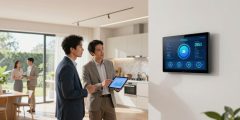
The security hub concept is changing home security. It combines different devices, like security cameras, into one system. This makes it easier for homeowners to manage their security from one place.
New Compatible Platforms and Ecosystems
New platforms and ecosystems are coming out. They support the connection of security cameras with smart homes. For example, Amazon Alexa and Google Home make it easy to integrate. Users can watch live feeds, get alerts, and control cameras with voice commands.
Voice Assistant Security Commands
Voice assistants like Alexa and Google Assistant are key for smart home security. Users can use voice commands to control their systems. For instance, saying “Alexa, show me the front door camera” can show the live feed on a device.
Automated Security Responses and Alerts
Automated responses and alerts are vital for home security. When a camera sees motion, it can send alerts or turn on lights to scare off intruders.
Geofencing Features
Geofencing uses your phone’s location to know if you’re home or not. It can change your security system’s settings automatically.
Conditional Automation Rules
Conditional automation rules let you set up custom scenarios. For example, if a camera sees motion at night, it can turn on a light and alert you.
By linking security cameras with smart homes, you can make a strong security hub. It boosts your home’s safety and gives you peace of mind. Just pick devices and platforms that fit your security needs.
Conclusion: Future-Proofing Your Home Security Investment
Investing in a strong home security system is key to protecting your home and family. By using the latest security camera tech and following expert advice, you can make your home much safer.
To keep your home safe, stay updated with new security camera tech. This means using AI, high-resolution cameras, and weather-proof models. This way, your security cameras will work better and keep your home safe.
By using the tips from this article, you can make your home more secure. A good home security system is a smart investment in your family’s safety. Keep improving your security camera setup to stay ahead of threats.